
The Importance of Curiosity at Any Age
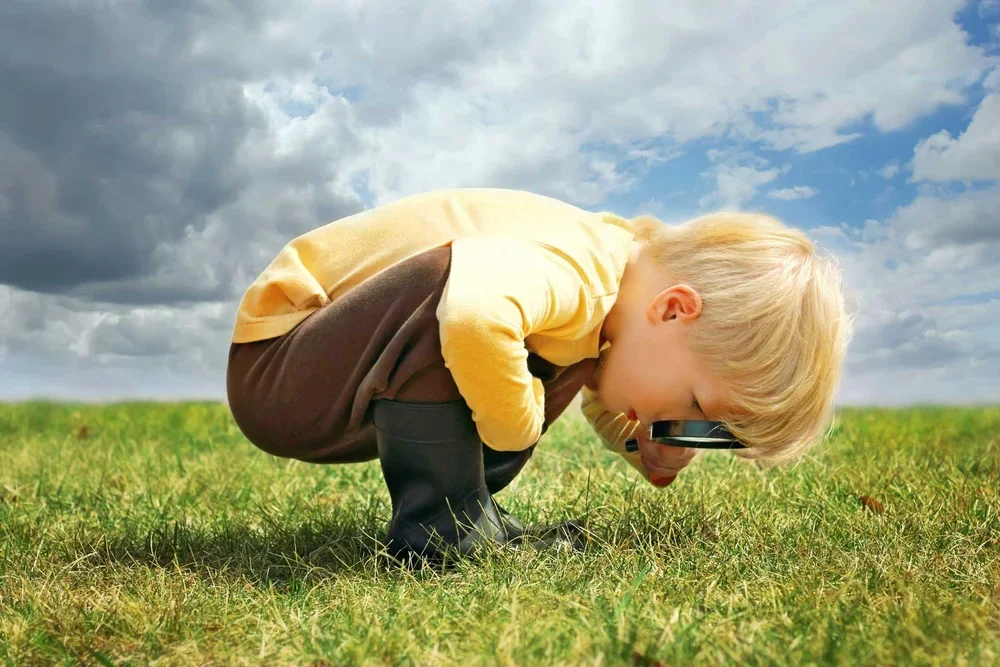
I love the curiosity of a five year old. The experience of the five why’s is priceless. Well, at times it can be.
As children, we were naturally curious, constantly wondering how the world works. Our curiosity tends to stay with us through school as we exercise our brain and look to expand our world.
In 2005, Steve Jobs ended his commencement address to the Stanford students with these words:
“Stay hungry, stay foolish.”
It was encouragement to the graduates to maintain a relentless pursuit of knowledge throughout their lives. He emphasized the importance of curiosity and taking risks.
However, adulthood arrives and our questions change:
What’s my password?
Where are my keys?
Why did I walk into this room?
Curiosity slowly gets replaced by the routine of life, instead of the exploration of living.
We can’t let this happen!
As it turns out, one of the best anti-aging tools is curiosity. A desire to learn new things, explore new ideas, read books, visit new places and ask better questions.
Research has shown that people who remain mentally active often experience better cognitive function, greater life satisfaction and have a lower risk of cognitive decline when compared to those with less mental stimulation.
How does that work?
Oh, I am glad you asked. And thank you for that curious question.
Our brain is not fixed. It changes constantly. Scientists call this neuroplasticity, which means our brains rewire themselves and form new connections every time we learn. Kinda like a brain workout. Over time, these new pathways create a cognitive reserve which acts like a brain back up system, which may help the brain remain resilient as we age.
This isn’t about becoming a genius, raising our IQ, or winning a trivia contest. This is about being open to new ideas and learning. The act of being curious.
There is another layer to this discussion. Curiosity doesn’t just protect the brain. It also tends to lead people to richer lives. Deeper relationships, pursuit of hobbies, and seeking purpose in life.
And that my friends may be the key.
Curiosity doesn’t just protect the brain. It can expand our lives.
Albert Einstein once said
“I have no special talent. I am only passionately curious.”
Perhaps the best question we can ask ourselves in the morning isn’t:
“What do I have to do today?”
Maybe it should be:
“What can I learn today?”
This simple shift changes everything.
Enjoy your day,

Just a little extra-
How do we stay curious and engage our brains? The ideas are limitless. May I offer a few ideas as thought starters:
Read outside of your comfort zone. I may need to read a fiction book. Any recommendations?
Learn something new each week. A historical fact, new recipe, or some foreign language skills to prepare for the next trip.
Go to a museum and engage with the exhibits.
Ask deeper questions in your next conversation, without getting too weird.
Reduce passive consumption. Scrolling on our phone or watching sitcoms on TV are usually not a good source for quenching your curiosity.
Play. New games, puzzles, music or activity.
Curiosity isn’t something we lose because we get older.
We lose it because we stop using it.
So, wonder a little more, learn something unexpected, or ask another question.
Be a five year old again. It will be fun.
References
Cole, Garry. February 2024. Are We Old Yet? (Yes, I used my book as a reference)